
Today I’m heading into surgery to get my trigger finger hopefully fixed. It’s been a chronic problem for a couple of years, and we’ve tried everything else to fix or manage it, but nothing worked, so it’s time for surgery.
It’s been challenging, basically losing the use of my middle finger on my right (dominant) hand. I’ve had to learn to classic palm a coin, using my ring finger to move a coin from the fingertips into palm position.
After today, I have about a two week recovery period.
Hopefully this works!
-Louie
Writing Patter for a Card Trick
There’s a routine that I’m playing with that uses just the face cards, and they end up being arranged into pairs. Here’s the script that I’m working on for it:
I have all twelve of the face cards. They’re all shuffled up.
(Show cards mixed)
And like a veggie platter, no pears/pairs.
While I deal them, say stop whenever you want, and I’ll mix them at that point.
(Do Paul Curry’s Swindle Switch mix)
They’re more mixed than when I do the laundry. Thanks to Brown vs. The Laundry room, that decision entitles me to pink shirts! Hopefully you mixed them in the right spots to arrange them in pairs like wedding rings, matching in cut, color and three months salary.
Let’s find a spot, give me a number one to twelve.
(Deal to that number and show the next two cards match!)
They match! Let’s do it again, like the time warp!
(Deal to that number and show the next two cards match!)
We need even piles.
(Deal two piles of four cards)
Touch a pile, but choose wisely; the other pile will be banished to the third circle of hell, which is Cerberus and snow. Which isn’t too bad if you like winter and dogs.
(Deal the unpicked in a row. Fan out their pile)
Touch a card.
(Flip the card they picked face up, then deal their cards in a row opposite yours)
And I’ll pick a card.
(Flip over a card. Remove the other two columns of cards that weren’t picked and show they don’t match. Then flip over the cards opposite the two face up cards to show they match!)
They Match!
Method wise, this is a combination of two Nick Trost tricks. This is still in the very early phases of development.
-Louie
The Next Step in the Juggling Monte Routine
One of the routines that I’m working on for my show is a Bank Nite style routine. I’m calling this routine Juggling Monte. This routine has changed a lot in method and presentation since I first thought of it. One of the things I’ve added to it is a display for two of the balls.
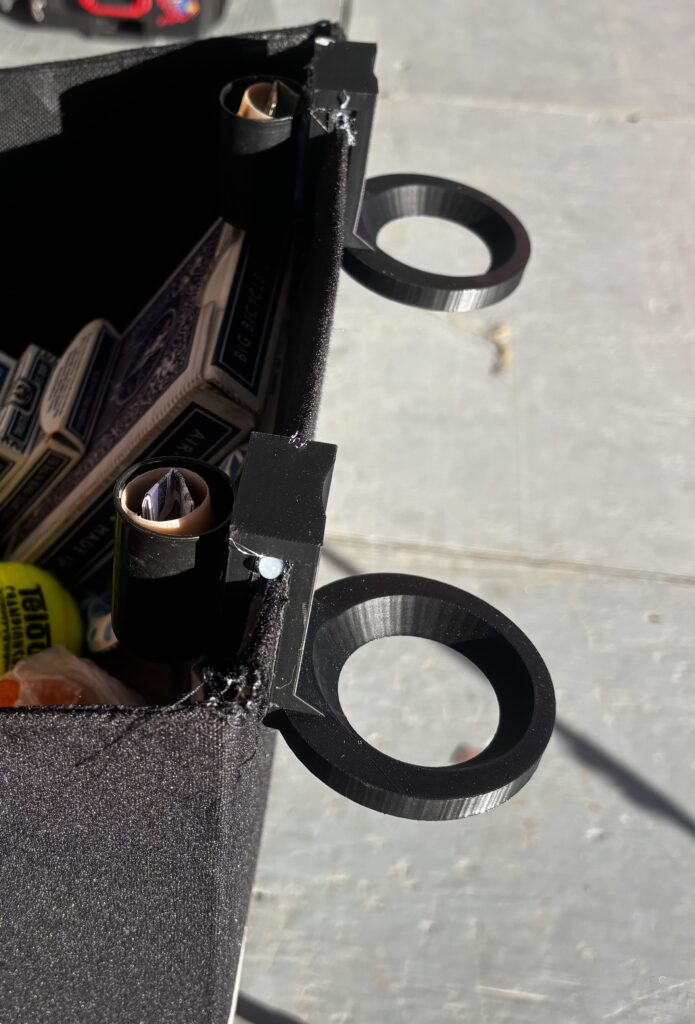
These are my first drafts of them, and they work great; however, I’ve got a few changes that I’m going to make. Right now, because they’re 3d printed and have a strange shape, they don’t hold up to travel very well. I think I’m going to make parts of them out of metal so that they hold up better.
The refining part is a very important step in creating magic. Sometimes good enough works, but you need to play with the idea/prop to see if you should stop at good enough, or go further.
-Louie
PS: you can learn about how I work on routines here!
The Best Chair Suspension Routine
Way back in the mid 1990s I went to a few of the Desert Magic Seminars/World Magic Summits in Las Vegas. One of the acts that I saw was Enric Magoo, who does an act as Frankenstein’s Monster. His chair suspension has always stuck with me, and I think it’s the best chair suspension routine that I’ve seen.
Here’s the full act (the chair suspension is at about 4:30):
What makes it great is that it’s a one-person suspension, and the final display with the chair on his book looks really impossible!
I love it!
-Louie
Is Your Double Lift Good?
One of the problems with magicians is that when they get busted doing a move, they think the person is a “heckler”. Here’s a social media post I recently came across:
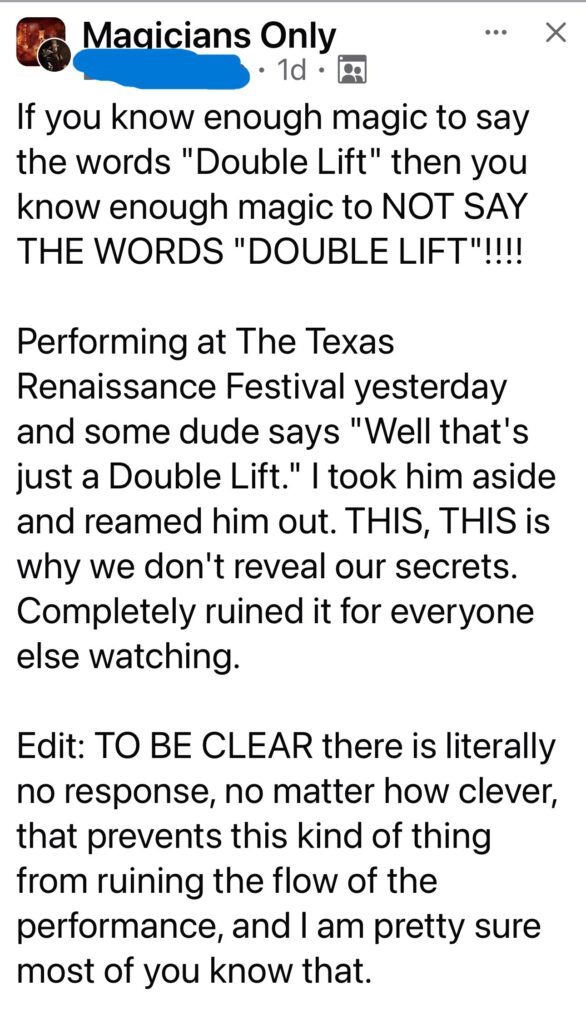
Here’s the main problem, every double lift looks like a double lift. Then add in that everyone who has had a passing interest in magic learns the double lift. Put those together, and 90% of double lifts will get busted by anyone who has learned a couple of card tricks.
OK, so what do you do about it?
In the summers, I perform a lot for teenagers, and when I noticed that it was starting to be a problem, I removed traditional double lifts from my close up set. I do use one, but in a weird way, and if someone busts it, because of how it’s used, I can show them they’re wrong.
Think about it: if someone learned two card tricks and one of them is the double lift in the context of an ambitious card style trick, then when you show them your ambitious card routine, you’re showing them a beginner’s magic trick. You might as well take out the ball vase at that point. You need to do something to separate yourself from basic magic tricks.
How do you do that?
Put in the work and figure it out! That’s exactly what I did for my That Way More card routine. I created something that doesn’t look like what they know and use techniques that aren’t typically used in the routine that kids learn.
-Louie
Bill Change Trick Tutorial
Yesterday I posted a video of a trick where four $10’s change into four $50’s. Here’s a tutorial of the trick:
I don’t think I need to say it, but you could use any denominations of the bills. They don’t have to be $10’s and $50’s.
There’s not much to it; it’s super easy to do!
-Louie
Bill Change for Parlor or Stage!
A year or so ago I posted a video of this bill change to social media, and I started playing with it again. Here’s what the bill change looks like:
I like it because it ends with my face framed for the final display. It’s not hard to do. It’s got a couple of advantages over tricks like Extreme Burn, and that’s that the bills are flat and not held in a cramped position. That position is fine for close up for a few people. When performing for larger groups, the flat nature of the bills in this change play further back into the audience.
-Louie
Lord Franzannian Royal Olympian Spectacular Vaudeville Show
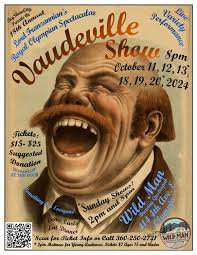
Last weekend I did a “one off” spot in Lord Franzannian Royal Olympian Spectacular Vaudeville Show. This is a super fun vaudeville show that takes place in Olympia, WA. It’s in an 85ish seat theater and the acts (are supposed to) do 5 minutes.
This was the show’s 20th year, and my first year in the show. The cast of the show stays the same for the three weekends it runs, except there are a few one night pop ins, like me.
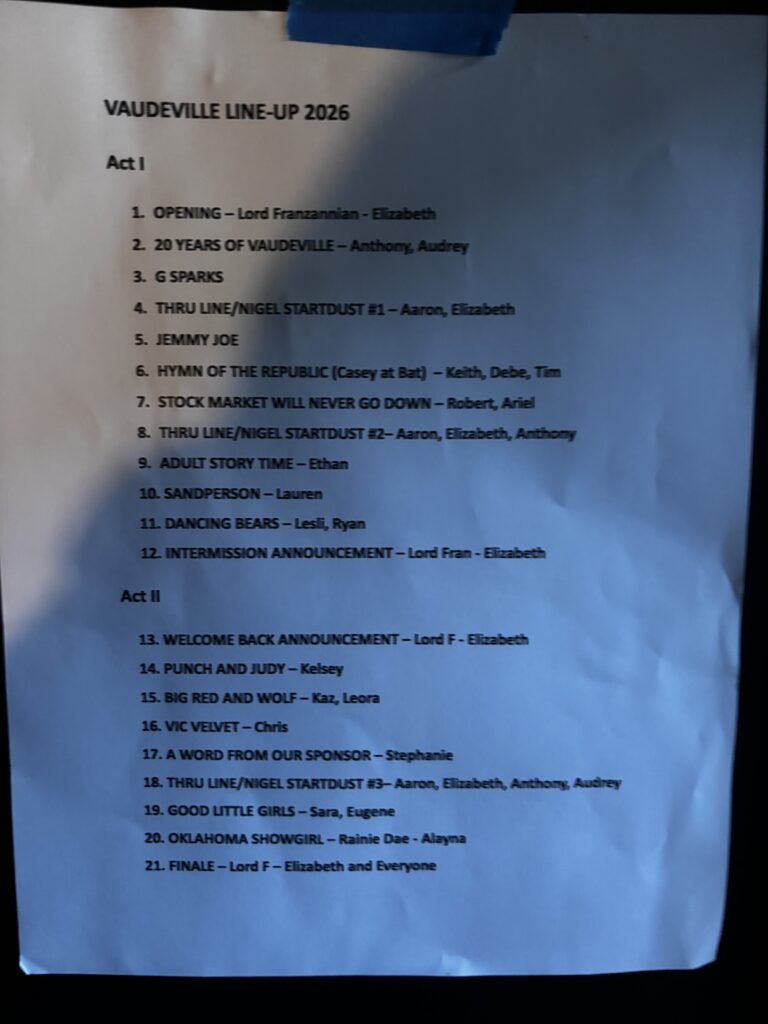
Showtime was 8pm on the day that I was in the show, but I showed up at 5:30pm for tech. I was doing hand shadows in the show, so my set up was pretty simple and tech took about 5 mins.
When the acts started showing up, I got to catch up with my friend G Sparks!
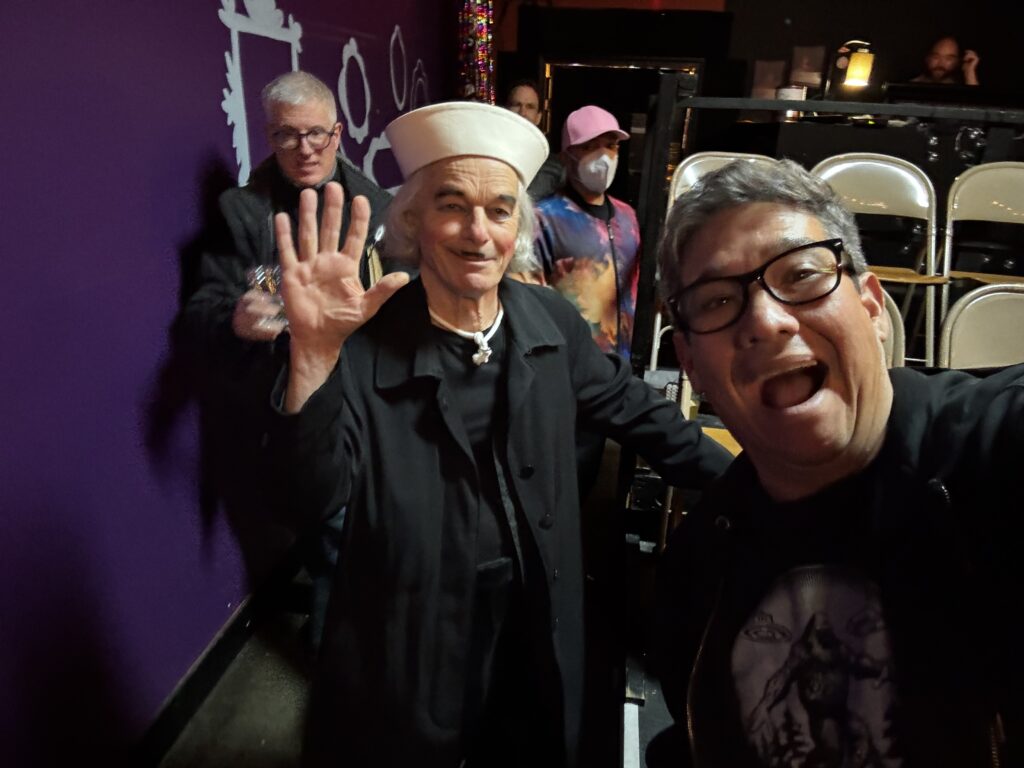
I first met G Sparks in the mid 1990’s at a Desert Magic Seminar in Las Vegas. He was demoing his No Switch Bullet Catch. This is one of the best bullet catches; there’s no gun involved!
Before the show, there was a meeting, which was a quick talk about things we need to be aware of and general info.
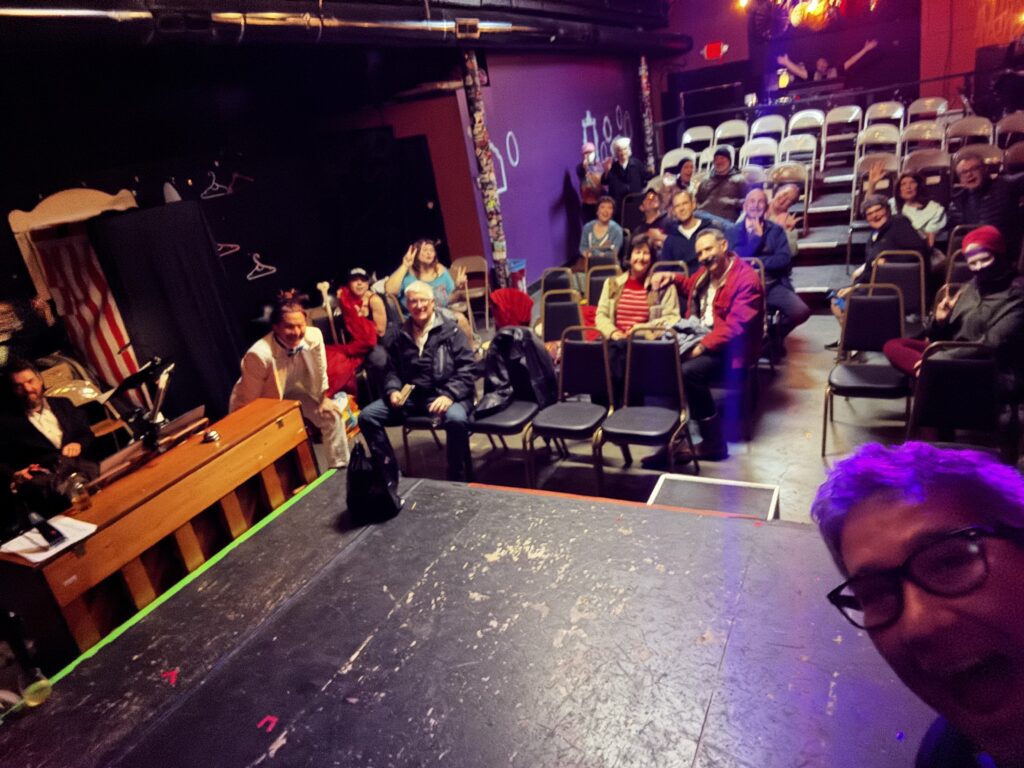
The show takes place in the showroom at the back of a restaurant/bar that’s really for bands, so there’s no real backstage. The area they have is small, so the green room in the alley behind the building!
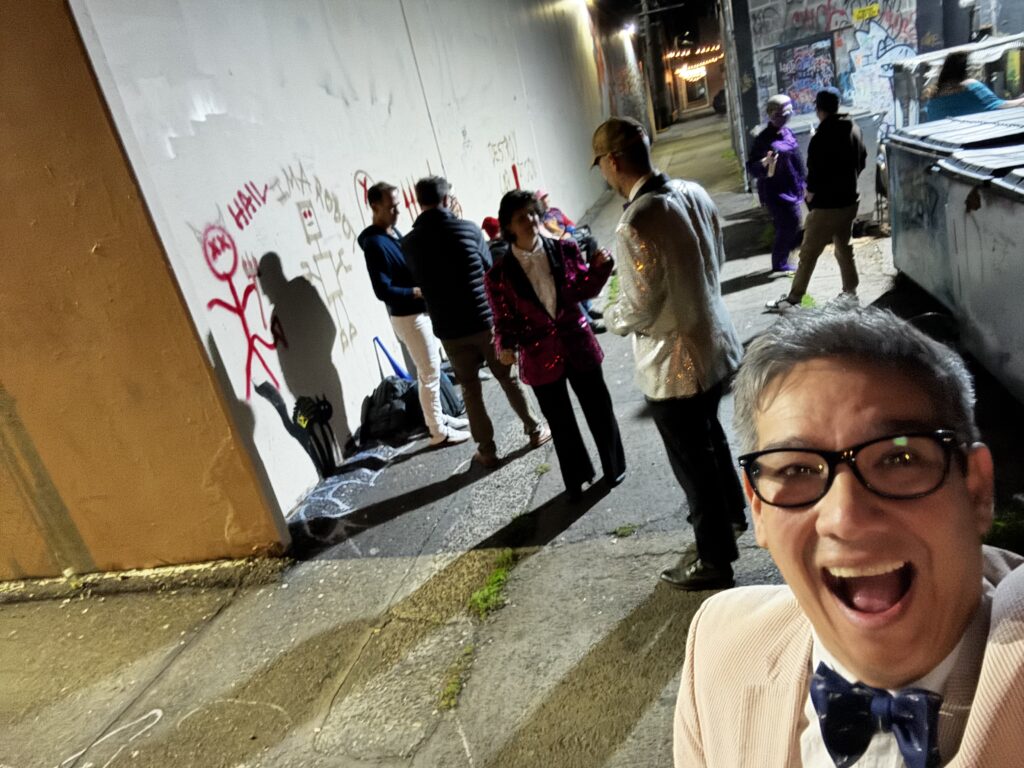
I love quirky things like this, and it’s a fun way to build community. In my night there, I got to talk to everyone!
My act was in the second half, so I got to watch most of the show from the audience. The show also had a live band, and I think every act used the live band.
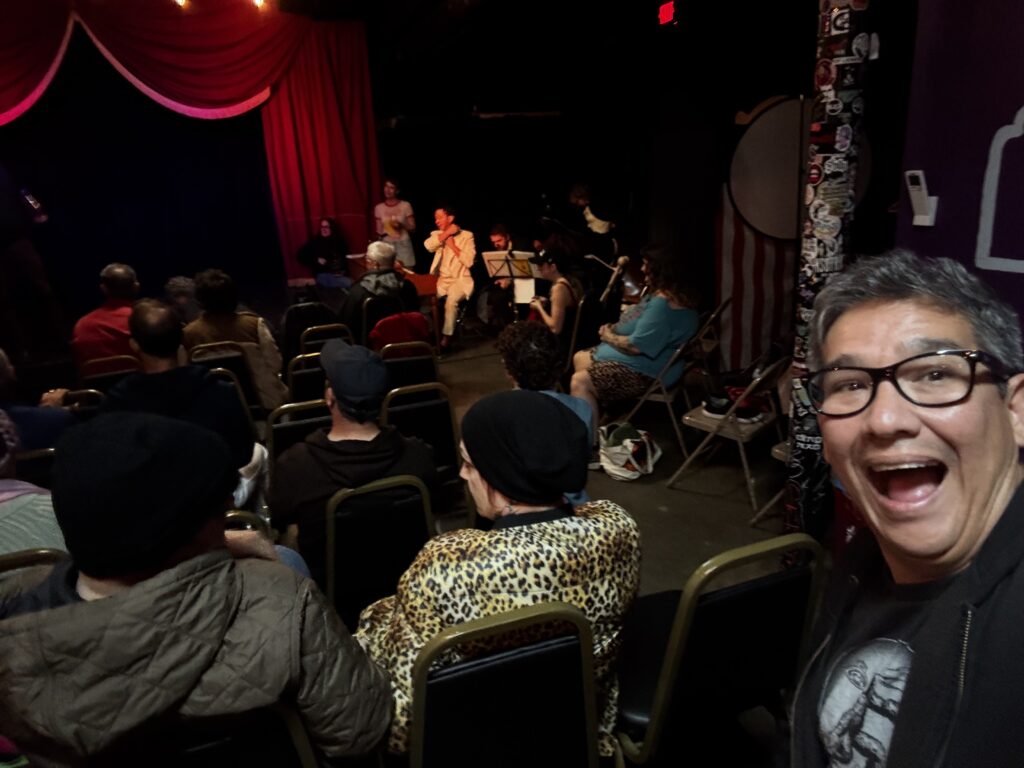
If you’ve never worked with a live band, when you get the chance, DO IT! I don’t really do anything to the music; they play my walk on/off, but I give them the freedom to do whatever they feel to accentuate my act. That leads to some fun spontaneous moments, like when I was asking each band member what a rimshot sounds like on their instrument!
This is a super fun show, and if you’re near Olympia, WA, check it out! Or if you’re going to be in the area next year, they start looking for acts in September, keep an eye out then at: https://www.professionaltalker.com/ for details.
-Louie
The Best Forks for Metal Bending
In my kid show I do a fork bending routine, and these are the best forks (in my opinion) for fork bending!
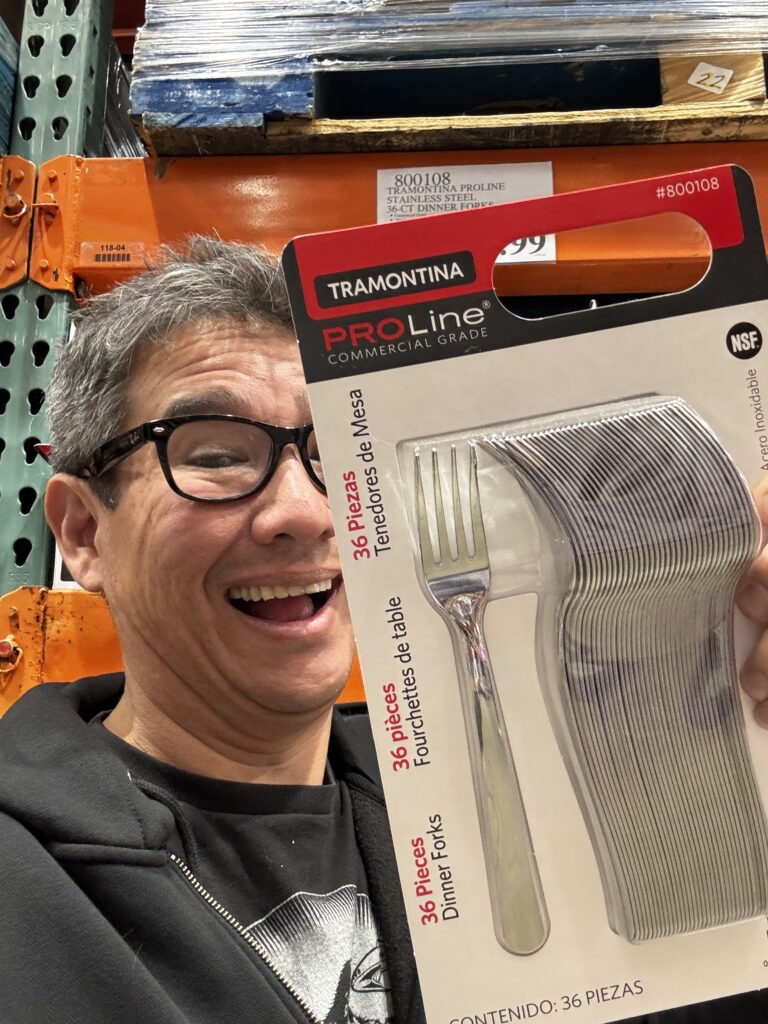
You get three dozen of them for $10.99 at Costco. Not every Costco sells them, you need to find a Business Costco. You don’t need a business membership to go to one; these locations just cater more to restaurants than a normal Costco. I’m sure you can get them online as well.
-Louie
PS: An early version of my fork bending routine is in Vanish Magazine and I’m writing up my current routine for an upcoming book and lecture called: Two Openers, Two Middles and Two Closers for Kid Shows.
Using a Magic Show Set List
Whenever I hear that magicians don’t have set lists, it amazes me. There was a point early on in my career when I didn’t use them; however, you need them if you’re doing longer than a 30 minute show for a birthday party. For longer, more formal shows, you need structure and flow. You don’t get that if you’re just randomly grabbing props.
Here’s my set list for a 90 min (including intermission) show:

Having a set list helps you with transitions and general prop management. One thing that I try to do with a set list is to not have two routines in a row that use people from the audience onstage. Another thing is to not have two long routines back to back. These aren’t absolute rules; however, with a set list, it’s much easier to do than when you’re just grabbing props and doing that routine.
-Louie